
| Jeju Winter Radish Meets a Michelin Chef 2026-06-27 |
|---|
|
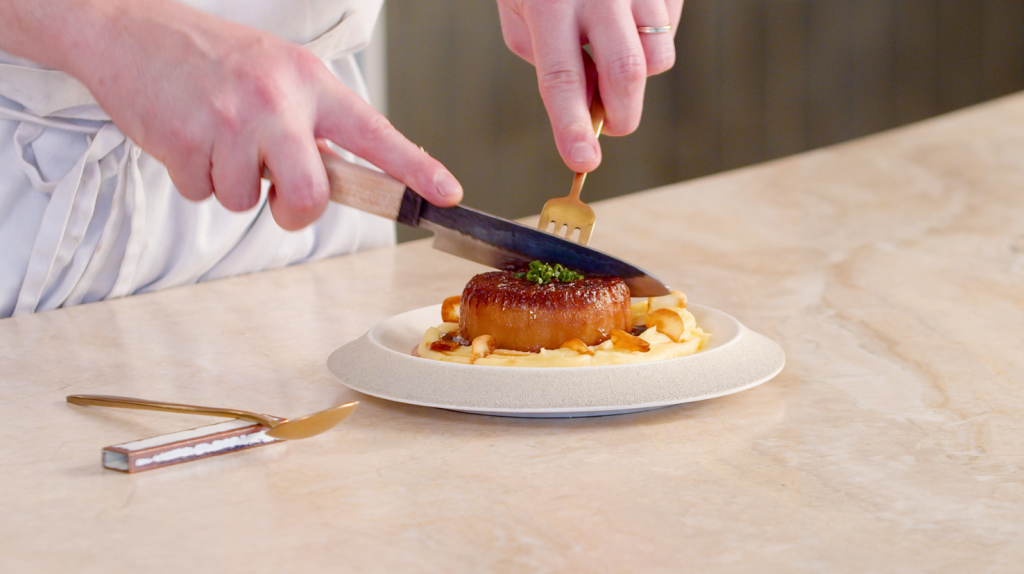
Jeju winter radish is cultivated along the island's rugged coastline, where strong winds, frequent rain, and nutrient-rich volcanic soil create the perfect growing conditions. These harsh conditions slow the radish's growth, resulting in a denser, firmer texture. As a result, it holds its shape exceptionally well during cooking. Even under prolonged heat, Jeju winter radish remains intact while gradually developing a richer, deeper flavor. This unique characteristic has opened up exciting culinary possibilities for chefs The Fine Dining Journey of Jeju Winter Radish Joseph Lidgerwood, the Michelin two-star chef behind Evett, is widely recognized for his appearances on Netflix's Culinary Class Wars and JTBC's Please Take Care of My Refrigerator. Chef Joseph has introduced Jeju winter radish into fine dining, transforming it into elegant, artistic dishes. Watch how he creates a stunning lotus-inspired masterpiece: One of his signature creations is Radish Steak—thick slices of radish slowly cooked and finished with a delicate glaze.
Jeju winter radish contains abundant moisture and is naturally rich in vitamin C, making it both nutritious and delicious. When roasted, its natural sweetness becomes concentrated. During long, slow cooking, it retains its structure while absorbing rich flavors from stocks and broths. Through fermentation, it develops an even deeper umami profile. For chefs, it is an ingredient with virtually limitless culinary potential. Jeju Winter Radish in Korean Home CookingIn Korean cuisine, radish is often served alongside rich or hearty dishes because it naturally balances heavier flavors. A clear radish soup brings comfort after a rich meal. Cubed radish kimchi refreshes the palate between bites of fatty foods. Even soy-braised radish leaves a clean, refreshing finish. Here are some of the most beloved ways Koreans enjoy Jeju winter radish. Korean Radish Soup (Mu-guk)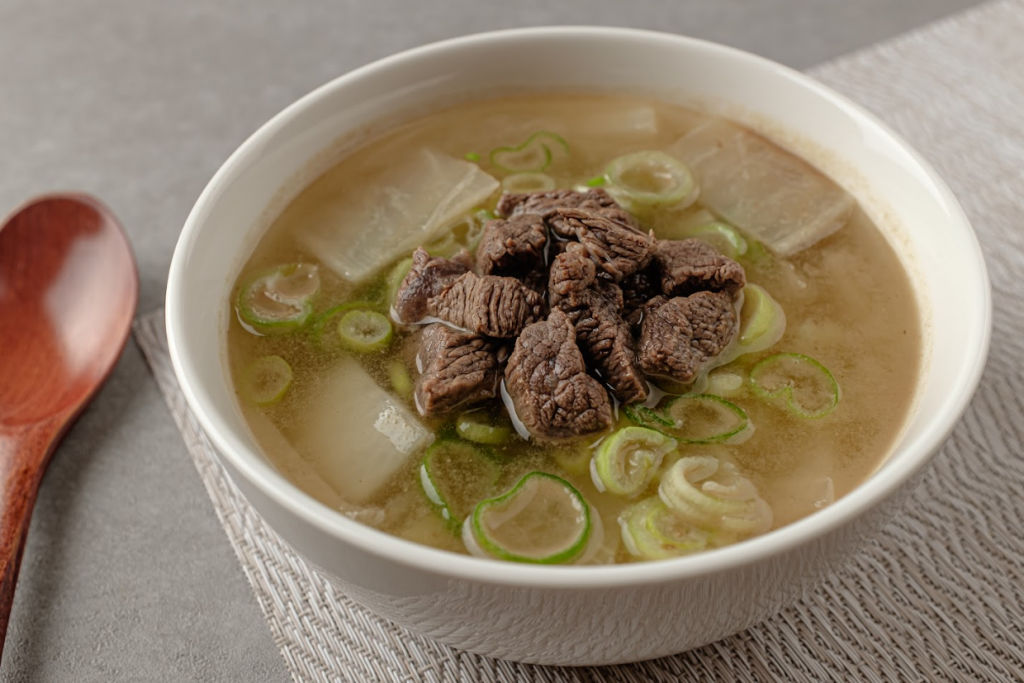 This is one of Korea's most iconic winter dishes. Thinly sliced radish is gently simmered in beef broth until it becomes almost translucent while preserving its natural sweetness. The broth remains light, clear, and comforting, making it the perfect meal on a cold winter day. For many Koreans, a warm bowl of radish soup is an essential part of winter. Cubed Radish Kimchi (Kkakdugi)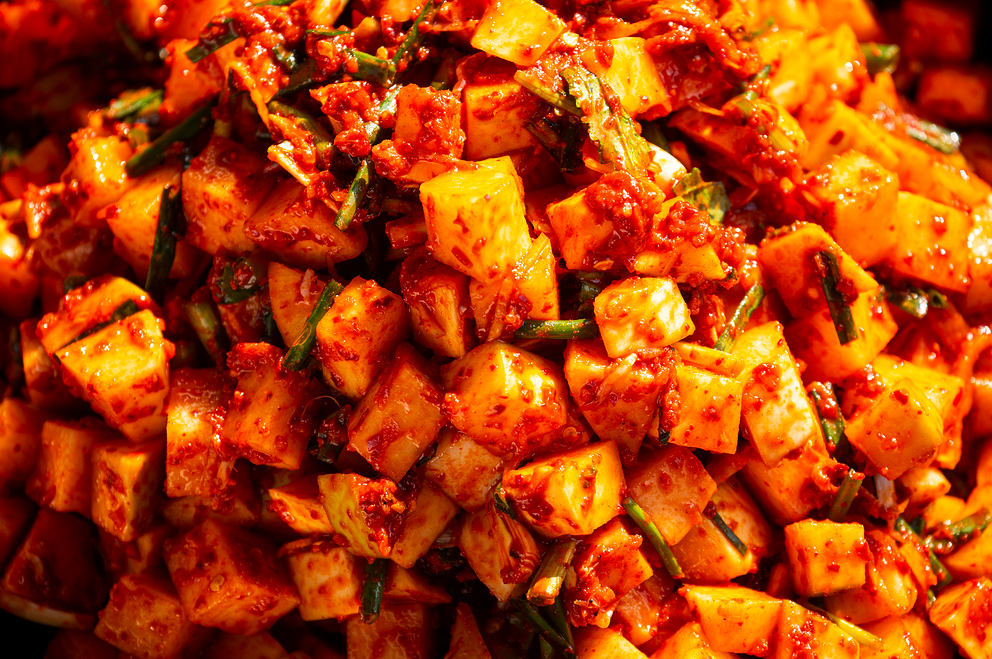 Crunchy, spicy, chilled, and refreshingly vibrant. Kkakdugi transforms winter radish into an entirely different culinary experience. The radish's natural sweetness balances the heat of Korean chili flakes, while fermentation adds a bright, tangy acidity. It pairs beautifully with rich stews, grilled meats, and even a simple bowl of instant noodles. Just one bite refreshes the palate and awakens the appetite. Soy-Braised Radish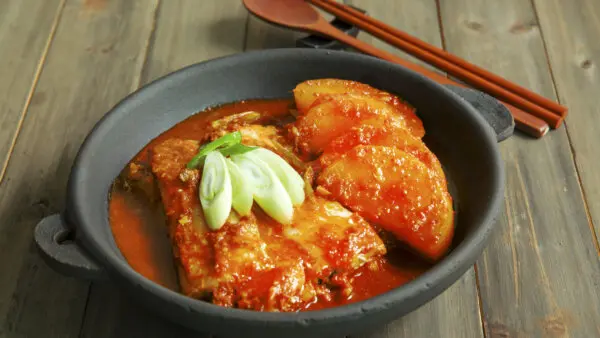 Although simple in appearance, this cooking method creates a flavor that lingers long after the meal. Large chunks of radish are slowly braised in soy sauce, garlic, and savory broth until they become tender and juicy all the way through. Its texture is especially memorable—soft enough to melt in your mouth, yet firm enough to hold its shape until the very last bite. Served with a bowl of warm steamed rice, it becomes a comforting meal that is hard to forget. |