
| Turning Poison into Gourmet Delicacies: The Wisdom of Korea’s Zero-Waste Culinary Heritage and 'Yeolmu' 2026-08-10 |
|---|
|
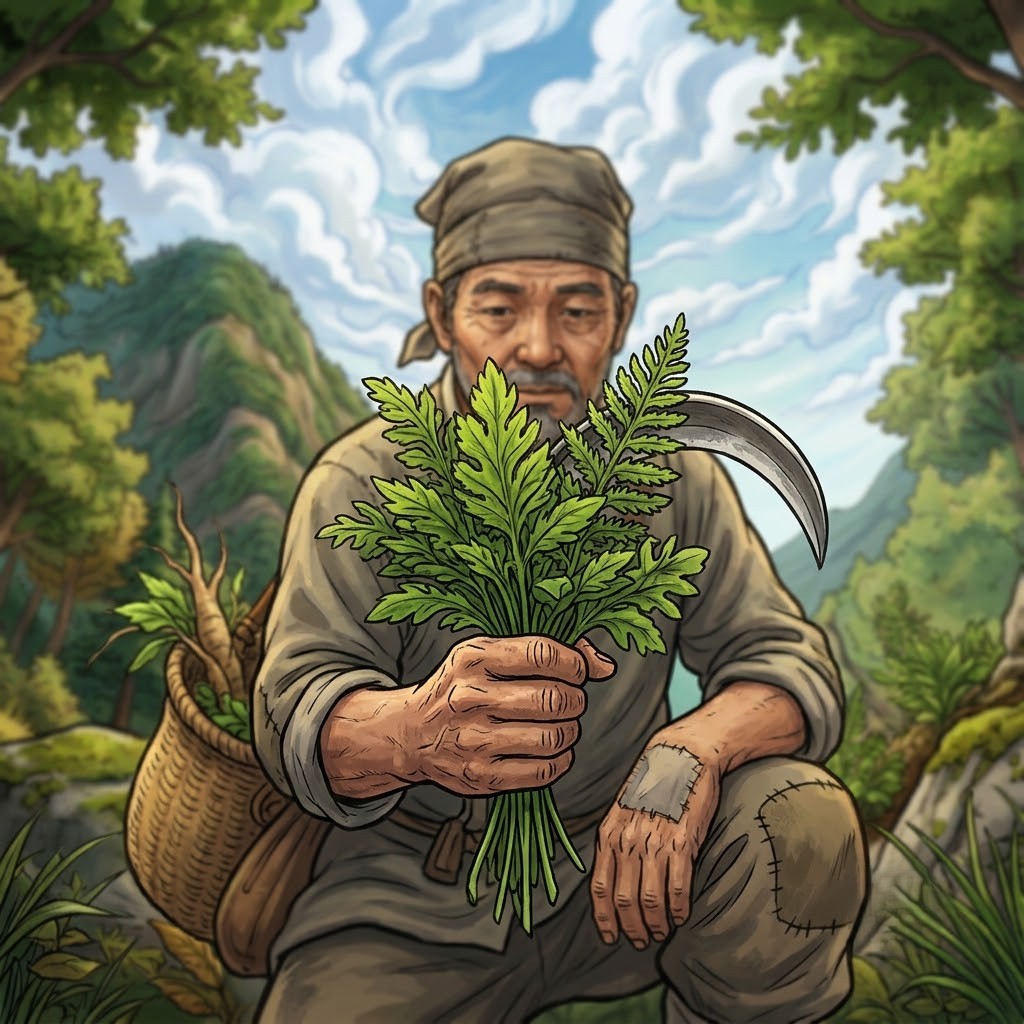
One of the things that surprises foreign visitors most when looking at a Korean dining table is the incredible variety of wild greens (namul) sourced from mountains and fields. People are often amazed to see how Koreans transform wild plants—even those deemed toxic and strictly avoided in Western cuisine—into safe, nutritious, and flavor-packed dishes through ingenious processing methods. Why did Koreans develop such a diverse culture of consuming wild greens? Was it simply a matter of survival and poverty during difficult times? The short answer is no. This unique food culture was not born out of mere hunger, but rather from a sophisticated combination of Korea’s distinct geography, climate, and advanced food processing wisdom. Geographical Features (70% Mountainous Terrain): With the majority of the Korean Peninsula covered in mountains, distinct wild plant ecosystems developed across different altitudes and valleys.
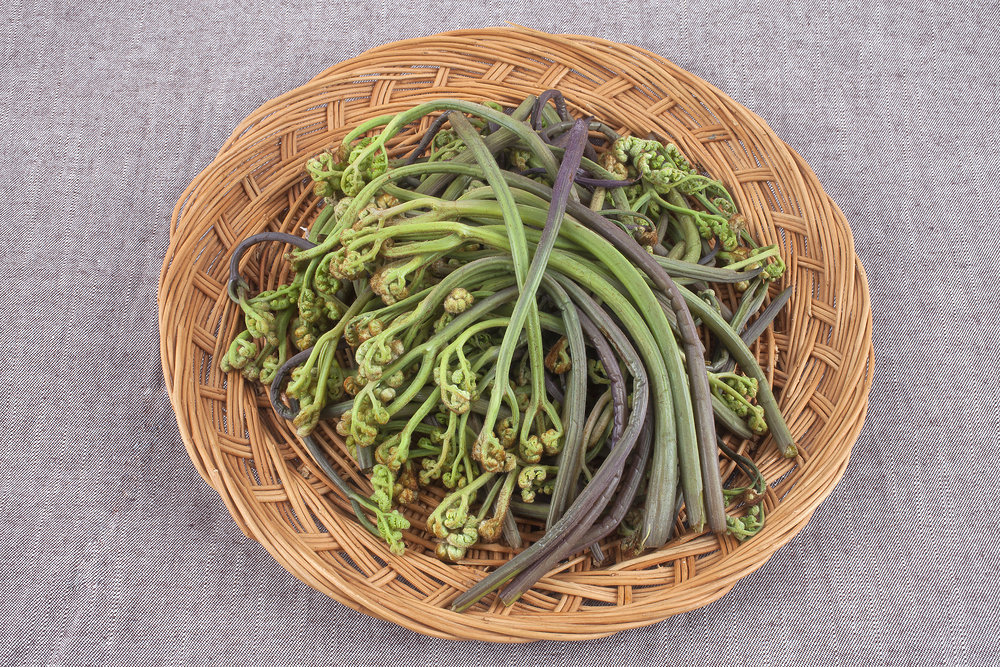
Distinct Four Seasons: Wild sprouts that endure harsh winters to bloom in spring are concentrated powerhouses of nutrients and vitality. Through seasonal cycles, Koreans developed advanced preservation techniques to blanch, dry, and ferment these greens, allowing them to be enjoyed year-round. Here are the stories of how Korean culinary wisdom transformed roots, leaves, stems, and even toxic plants into refined, Zero-Waste delicacies. . 1. Transforming Poison into Delicacy: The Science of 'Bracken' (Gosari) There is no better example of Korea's ingenious approach to foraging than Bracken (Gosari).
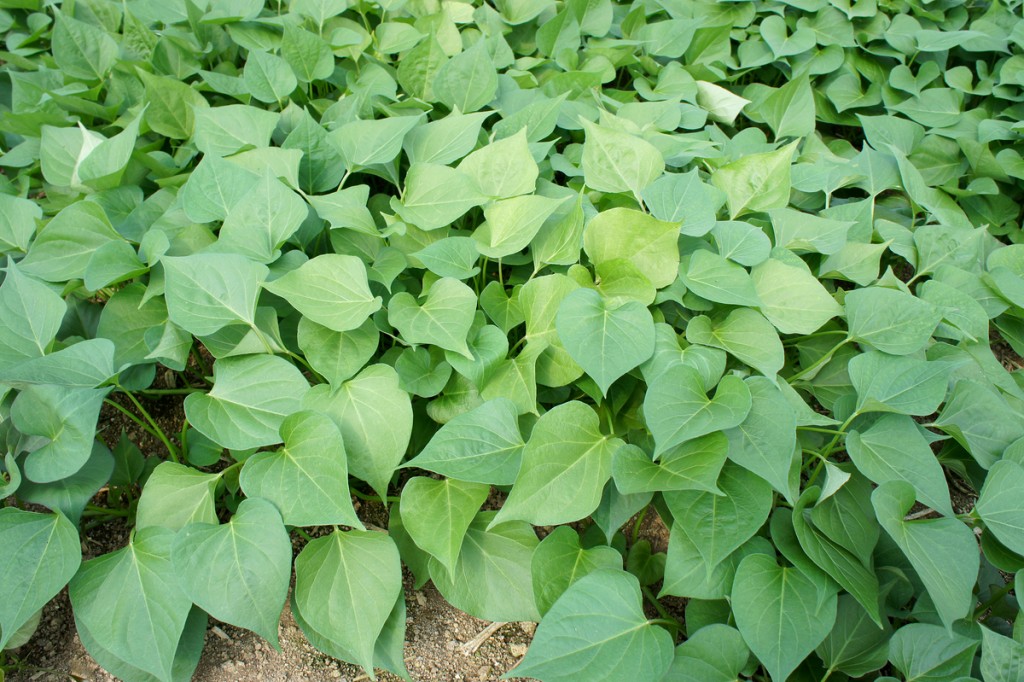
A Toxic Wild Plant: Raw bracken contains toxic compounds (such as ptaquiloside) and enzymes that destroy vitamin B1, making it unsafe to eat uncooked. For this reason, Western cultures and many other regions historically classified bracken as a dangerous weed and avoided it entirely. The Multi-Step Detoxification Process: Ancestors in Korea invented a multi-stage process to neutralize its toxins: boiling the bracken thoroughly, drying it completely under the sun, and re-hydrating and boiling it once more before cooking. This process completely breaks down harmful toxins while locking in a chewy, meat-like texture and a deep umami flavor, turning a toxic weed into a prized culinary ingredient. 2. Reimagining Skins and Stems: Sweet Potato Vines and Dried Greens (Siraegi & Ugeoji)On a traditional Korean table, even the outer leaves and stems of vegetables never go to waste.
3. Zero-Waste Seafood and Meats: 'Seodeori-tang' and Fermented Organ GarnishThe Zero-Waste philosophy extends well beyond plants into seafood and meats.
. 4. Korea's Iconic Zero-Waste Leafy Green: 'Yeolmu' (Young Summer Radish)Representing this complete Zero-Waste food philosophy is Yeolmu (Young Summer Radish). While radishes are generally grown for their dense underground roots, with the top leaves often discarded, Koreans paid special attention to the tender green leaves and stems of young radishes harvested early.
. . [NEXT PREVIEW] August - Week 3 Preview: From Summer Yeolmu Kimchi to Winter Siraegi Soup—Unlocking Yeolmu RecipesAt the center of Korea's culinary wisdom—where toxins are cleansed and stems are cherished—stands Yeolmu. How do the vibrant green leaves of young radish become a cooling topping for summer cold noodles, or transform into comforting, warm winter dishes? In next week's August Week 3 content, we will share authentic Yeolmu recipes and versatile cooking techniques that global foodies can easily recreate at home! |