
| How Did Fermented Foods Begin? Fermentation Around the World 2026-10-07 |
|---|
|
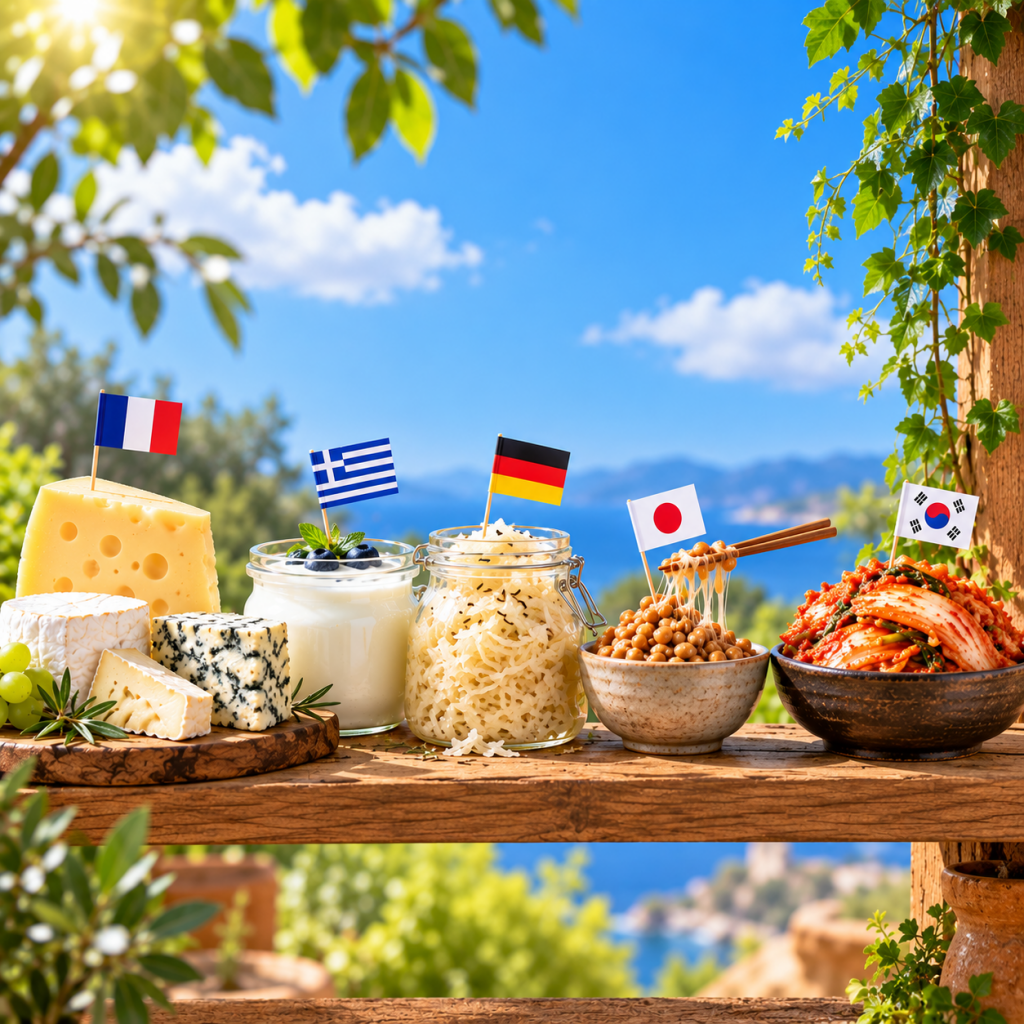
How Did Fermented Foods Begin? A Journey Through Fermentation Around the World Cheese, yogurt, sauerkraut, and kimchi. These foods come from different parts of the world, but they all have one thing in common: fermentation.
Long before refrigerators existed, people needed ways to preserve ingredients such as milk, vegetables, and grains for longer periods of time. Over generations, fermentation became part of food cultures around the world. What began as a practical way to preserve food eventually developed into countless flavors and traditions shaped by local ingredients, climates, and cultures. Fermented Foods Around the World In Europe, cheese and yogurt are some of the most familiar fermented foods. Cheese begins with milk, yet different fermentation and aging methods can create completely different flavors, aromas, and textures. That transformation is part of what makes fermentation so fascinating. Germany and other parts of Europe also have a long tradition of sauerkraut, made by fermenting cabbage. In Japan, soybeans are transformed into fermented foods such as miso and natto. Across Southeast Asia, fermentation is also widely used to make sauces and foods from ingredients such as fish and soybeans. The ingredients may be different, but fermentation has found its own place at tables around the world. Fermentation Became More Than Preservation Fermentation isn't only about keeping food for longer. It can also transform flavor, aroma, and texture. Milk becomes cheese. Grapes become wine. Soybeans can become miso or doenjang. Through fermentation, familiar ingredients can develop entirely new characteristics. That is why fermented foods today represent much more than an old preservation technique. They can also tell us something about the food culture of a region. Look at what people ferment and how they preserve it, and you can often discover clues about what generations before them grew, cooked, and ate. What About Fermented Foods in Korea? Korean cuisine also has a long tradition of fermentation. Soy sauce, doenjang, gochujang, makgeolli, jeotgal, and of course, kimchi are all part of Korea's diverse fermented food culture. Kimchi is especially interesting because it uses vegetables, salt, seasonings, and fermentation to create flavors that continue to change over time. And kimchi isn't made with just one vegetable. Napa cabbage may be the most internationally recognized, but Korean radish, cucumber, and many other seasonal vegetables have also become part of Korea's kimchi culture. Fermentation can be found all around the world, but every culture has developed its own ingredients, methods, and flavors. In Korea, one of the most fascinating stories begins with kimchi. Next, we'll take a closer look at kimchi and discover how this fermented food became such an important part of Korean food culture. |