

| Climate Shifts, Heat Domes, and Culinary Evolution: How East and West Are Rewriting the Rules of Summer Comfort Food 2026-07-06 |
|---|
|
As the first week of July arrives, marking the official onset of the midsummer heat, kitchens around the world face a universal challenge: How do we beat the heat deliciously? While the scorching sun is a shared global experience, the way different cultures approach summer dining varies dramatically. Driven by distinct geographical climates and historical backgrounds, the culinary philosophies of the East and West—and even within Asia itself—have evolved along fascinatingly diverse paths. Let’s dive into the cultural anthropology of summer foods that transcend borders.
1. Dry Western Summers vs. Humid Eastern Summers: A Contrast in Culinary Philosophy The very "nature" of summer weather in the East and West differs fundamentally, giving rise to contrasting food cultures. The West (Mediterranean Climate Focus): Summers in Europe and parts of North America are characterized by bright, hot sunshine coupled with low humidity—a "dry heat" that feels relatively comfortable the moment you step into the shade. Consequently, Western food culture developed a preference for light, no-cook meals. From fresh greens drizzled with rich olive oil to Spanish Gazpacho—a chilled tomato soup served straight from the fridge—the philosophy centers on consuming the crisp, hydrating essence of raw ingredients exactly as they are. The East (Monsoon Climate Focus): In contrast, summers in East Asia bring a suffocating combination of heavy monsoon rains and sweltering humidity—often described as a "sauna-like heat." High humidity impairs the body’s natural temperature regulation, leading to exhaustion and weakened digestion. Because of this, Eastern food culture looks beyond merely eating chilled items; it emphasizes a structured "wellness and restorative (Boyang) culture" designed to detoxify the body and replenish vital energy.
2. A Tale of Two Asias: Southeast Asian Spices vs. Northeast Asian Fermentation and Chilled Noodles Even within Asia, the methods used to combat summer fatigue split cleanly between the tropical regions near the equator and the temperate zones with four distinct seasons. Southeast Asia (Perennial Tropical Humidity): In nations like Thailand and Vietnam, where the climate remains hot and humid year-round, preserving fresh food was historically difficult, and heat-induced loss of appetite was a constant struggle. To counter this, these cuisines embraced bold flavor profiles—the sharp acidity of lime, the fiery punch of chili peppers, and vibrant aromatics seen in dishes like Tom Yum Goong and Bun Cha. These spices not only act as natural antimicrobials but also induce sweating, serving as nature's internal cooling system. Northeast Asia (Seasonal Heat and Humidity): Countries like Korea, China, and Japan approached summer by cleverly utilizing the fermented assets stockpiled during the cold winter months. To soothe heat-fatigued digestive tracts, they relied heavily on enzyme-rich fermented foods. Korea, in particular, pioneered a highly unique "Cold Needle (Naengmyeon) culture," serving buckwheat or starch noodles in ice-cold, savory broths. The pairing of buckwheat’s naturally cooling properties with deeply refreshing, fermented vegetable broths represents the pinnacle of Northeast Asian summer dining.
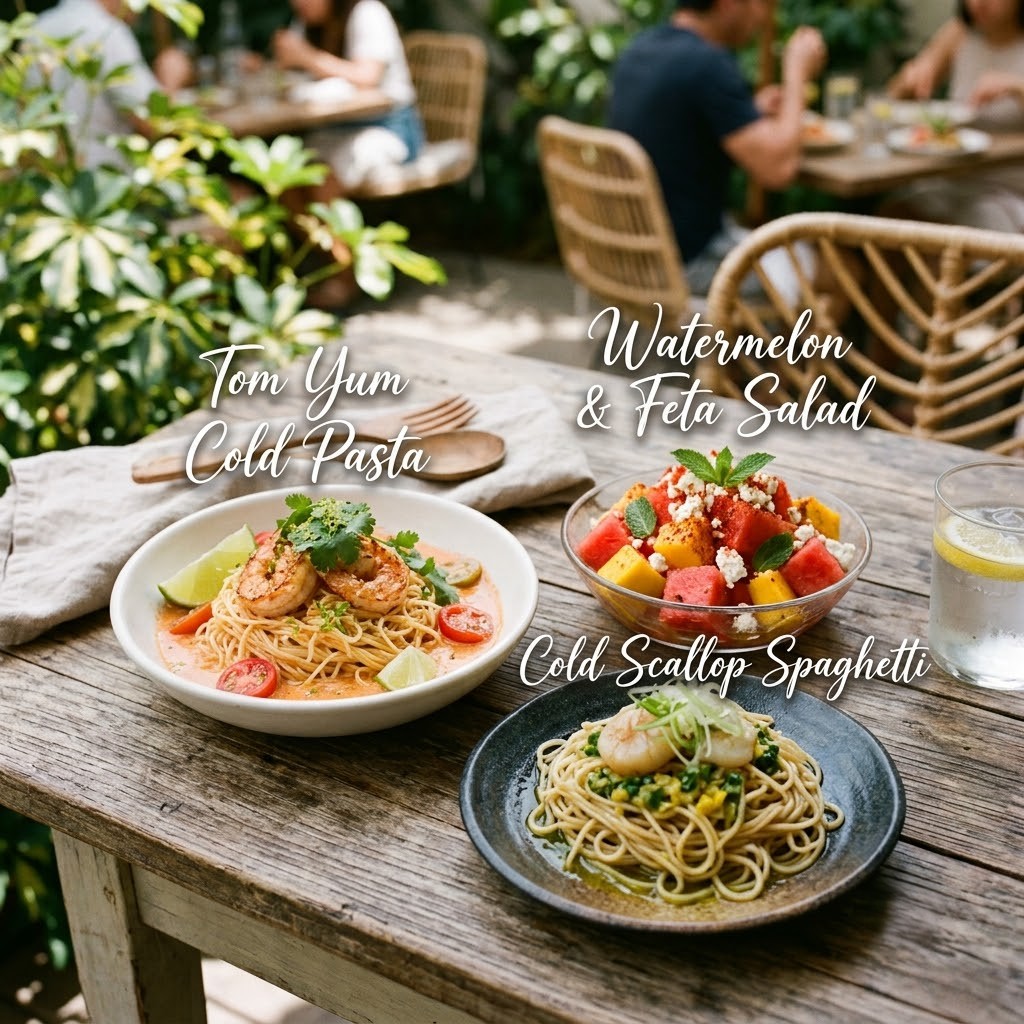
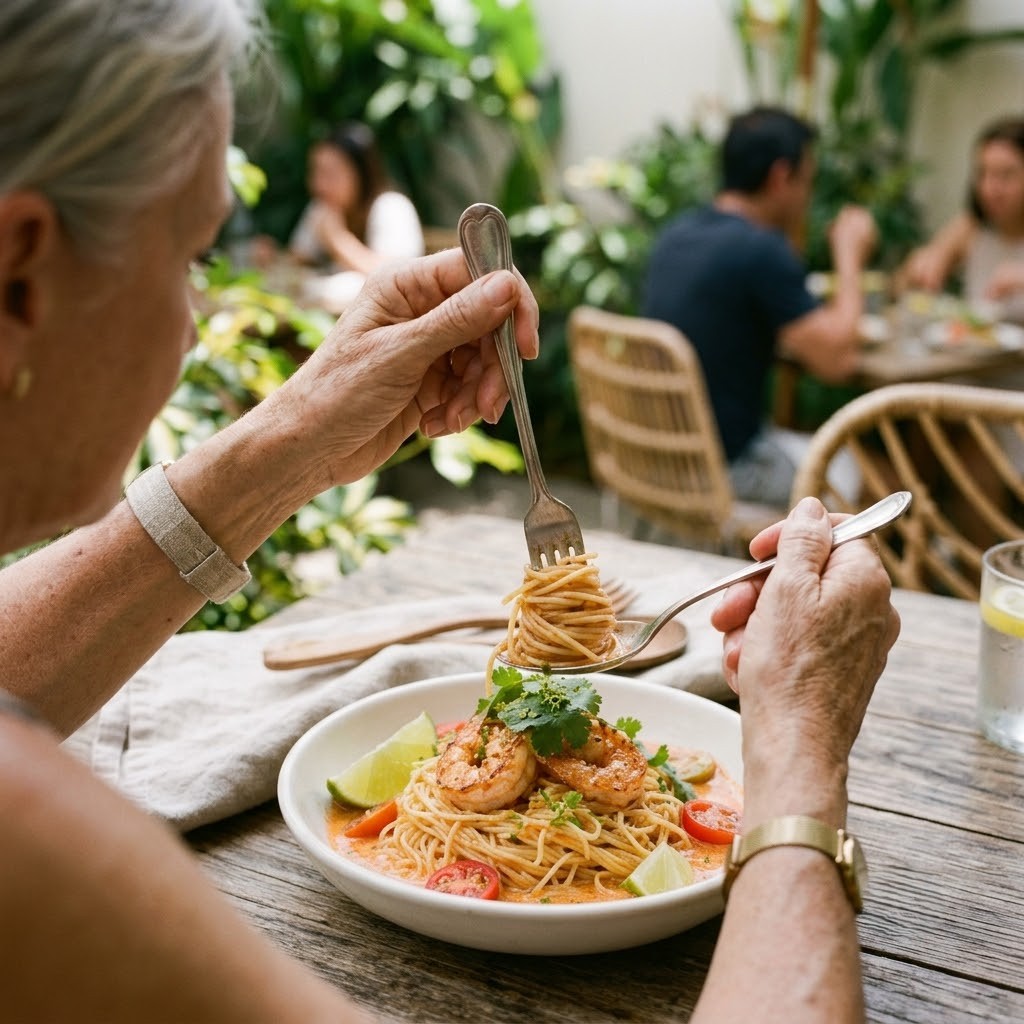
3. Heat Domes and Climate Inversion: The Rise of Creative Summer Fusion In recent years, however, intensifying global climate change has completely disrupted the long-established summer dining formulas of both East and West. Europe and North America have recently found themselves trapped under unprecedented "Heat Domes," breaking all-time high temperature records year after year. This has triggered a massive surge in demand for air conditioning in European households and bistros that traditionally relied on simple fans. Meanwhile, South Korea has experienced unexpected "climate inversions," seeing unseasonably cool breezes and sharp temperature drops between day and night in the middle of summer. As the world grows closer and traditional climate boundaries blur, innovative "Summer Fusion Dishes" that break conventional boundaries are capturing the imaginations—and palates—of global foodies. Here are three of the trendiest summer fusion creations making waves on Western menus right now: Tom Yum Chilled Pasta This dish takes the intensely refreshing, sour-and-savory broth of traditional Thai Tom Yum Goong, chills it to ice-cold perfection, and tosses it with delicate capellini pasta. It has quickly become a summer signature dish in trendy Asian-American bistros across cities like Los Angeles. Key Ingredients: Capellini (or angel hair) pasta, chilled Tom Yum paste coconut broth, poached shrimp, cherry tomatoes, and fresh cilantro. Chili-Lime Mango & Watermelon Salad A vibrant snack that infuses the quintessential Western taste of summer fruits with a brilliant Latin American-inspired kick. The natural sweetness of the fruit balances seamlessly with sharp lime juice and a dusting of chili powder, instantly awakening taste buds dulled by the heavy heat. Key Ingredients: Fresh watermelon, sweet honey mangoes, chili powder (or Tajín), fresh lime juice, crumbled feta cheese, and sprigs of mint. Cold Ginger Scallion Noodles with Scallops Inspired by the legendary summer dish that draws long lines outside New York City’s hippest fusion joints. Ginger's naturally warming yet crisp properties help regulate internal body heat, making this dish a staple for local professionals looking for a trendy, light, and wellness-focused summer lunch. Key Ingredients: Thin wheat noodles (or egg noodles), a signature house-made hot ginger-scallion oil infusion, premium soy sauce, and delicate, chilled seared scallops.
○ The Ultimate Anchor for the Summer Shifting Palate ○ No matter how much global climates shift or how creatively food cultures blend to produce new fusion trends, the underlying objective of summer food remains identical across the globe: protecting a weary digestive system, cutting through the heavy palate, and restoring deep hydration. Where Western traditions have long cut through the richness of meats and mayo using sharp cucumber pickles, Eastern tables have historically balanced their summer menus using high-density k-mu (Korean white radish), packed with natural digestive enzymes and structural crunch. Starting next week, we will begin exploring the fascinating global history of fried chicken and the magical, crisp companion that prevents the palate from ever getting weighed down. Stay tuned for our month-long journey into the refreshing world of K-Wellness this July! |