


| "We Used to Throw This Away?!" The Dramatic Rise of Upcycled Food Stories 2026-08-03 |
|---|
|
How many ingredients on our dining tables today were cherished from the very beginning? Surprisingly, many of the prized delicacies and health-boosting ingredients we enjoy today were once dismissed just a few decades ago—thrown into the trash or fed to livestock as useless scraps. Here are three dramatic stories of ingredients that transformed from discarded leftovers into global culinary sensations, followed by a preview of Korea's own time-honored food wisdom.
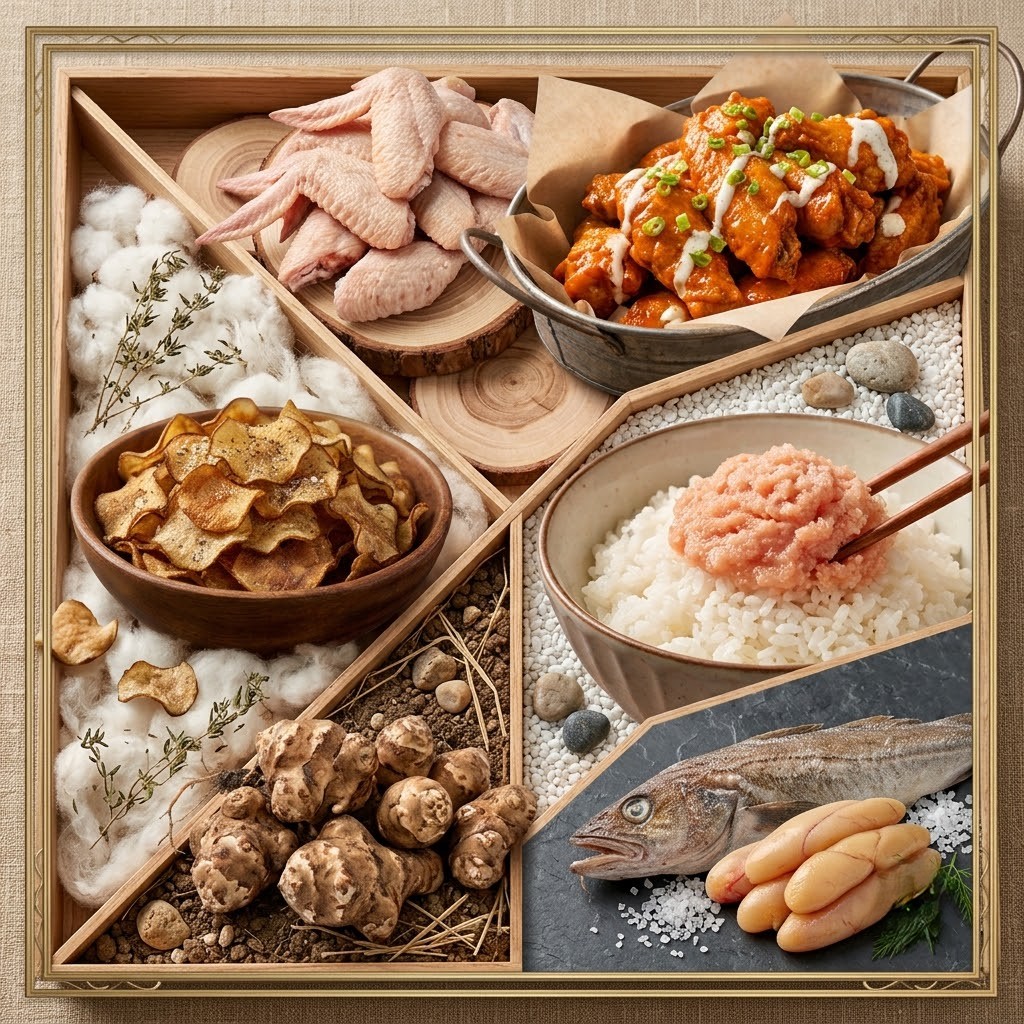
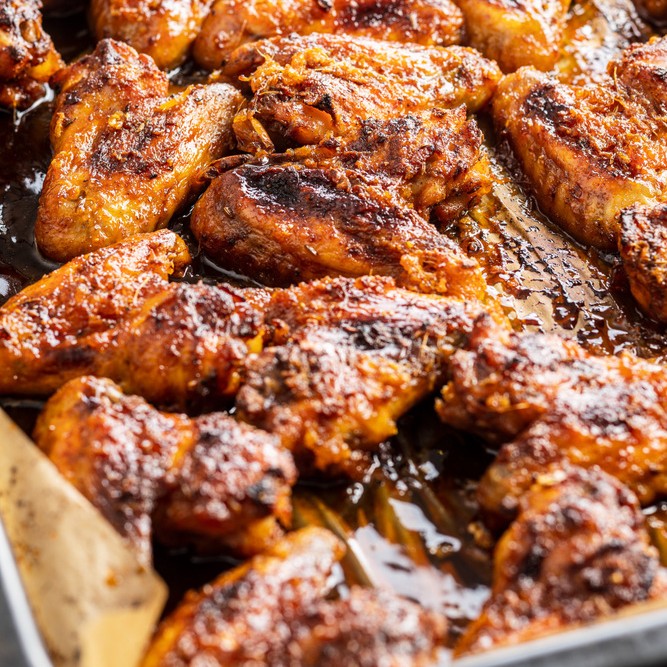
1. [Meat] From Soup Broth Scrap to the King of Late-Night Snacks: Buffalo Wings Today, Buffalo wings are an absolute staple for sports games and cold beer pairings. However, before the 1960s in the United States, chicken wings were considered undesirable scraps with little meat and too many bones, used briefly for simmering chicken broth and then discarded. The Late-Night Dish That Changed Everything: In 1964, a dramatic turning point occurred at the Anchor Bar in Buffalo, New York. When the owner's son arrived late at night with hungry friends and no main ingredients were left, the kitchen used leftover chicken wings—deep-frying them and tossing them in a tangy, spicy sauce. The Birth of a Global Snack: This spontaneous midnight snack became an instant hit. Today, Buffalo wings have transcended North America to become a global favorite, with billions consumed every year.
2. [Fish] "Discard the Eggs!" How Pollack Roe Became a Gourmet Delicacy Pollack roe (Myeongran), now celebrated in high-end restaurants and fusion dishes for its savory, rich flavor, was also once an underappreciated byproduct. Overshadowed by Fillets: For fishermen harvesting cod or pollack in the past, the primary prize was firm, meaty fish fillets. Internal organs and roe spoiled quickly during transport, meaning they were often dumped back into the ocean or heavily salted by fishermen for quick personal consumption. Refined Curing and Global Fusion: As preservation techniques evolved, transforming salted roe into a delicate art, pollack roe gained incredible new value. Today, it is recognized as a nutrient-dense protein source and an iconic fusion ingredient used in pastas, baguettes, and dips worldwide.
. 3. [Produce] From Ugly Weed to Natural Insulin: Jerusalem Artichoke Even in the produce world, certai Dismissed as Animal Feed: Knobby, misshapen, and tedious to peel, it was long ignored at the dinner table. Growing wild like a weed in field corners, it was routinely discarded or fed to farm animals. [NEXT PREVIEW] August - Week 2 Preview: Korea's Wisdom of Choosing Stems Over Roots—Yeolmu (Young Summer Radish) While cultures around the world have rediscovered discarded ingredients to create upcycled cuisine, Koreans have practiced Zero-Waste food philosophy for centuries. While radishes are typically grown for their dense underground roots—with the green leaves above discarded—Koreans cherished the fast-growing, tender green leaves and stems of young radishes, elevating them into an iconic seasonal delicacy. "Refreshing Yeolmu Kimchi and cold noodles in the summer, and hearty dried Siraegi soup in the winter!" In next week's August Week 2 post, we will explore the deep charm and recipes of Yeolmu, Korea's ultimate Zero-Waste wellness food that utilizes every single part from leaf to root. Stay tuned! The Inulin Breakthrough: Modern nutritional science sparked a massive revival when researchers discovered that the Jerusalem Artichoke contains one of the highest natural concentrations of Inulin—a compound known for regulating blood sugar. Overnight, this discarded root transformed into a sought-after wellness superfood for diabetes management and gut health. |

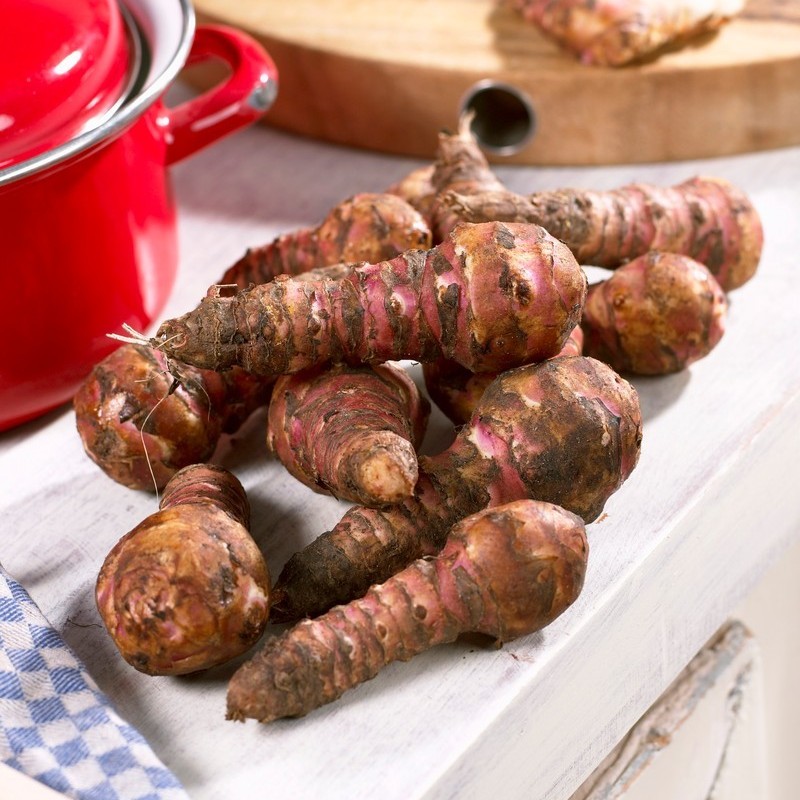 n crops were shunned for years due to their unusual appearance and texture. A prime example is the Jerusalem Artichoke (Dwejigamja).